The historical evolution of gambling from ancient rituals to modern casinos
The historical evolution of gambling from ancient rituals to modern casinos
The Origins of Gambling: Ancient Civilizations
The history of gambling can be traced back to ancient civilizations, where games of chance were often intertwined with rituals and social events. Archaeological findings suggest that the earliest forms of gambling occurred in Mesopotamia around 3000 BC, where dice made from knucklebones were used in various games. These activities were not merely pastimes but held significant cultural meanings, often serving as a means to predict the future or invoke the favor of deities. Today, platforms like Pikashow enhance our entertainment options, reflecting modern interests.

In ancient China, gambling also found its roots with games like “Keno,” believed to have originated during the Han Dynasty. The Chinese used paper and game boards, which laid the groundwork for future gambling practices. Similarly, ancient Greeks introduced betting on athletic competitions, particularly the Olympic Games, where spectators wagered on the outcomes of various events, marking a significant shift in how gambling was perceived and integrated into society.
Moreover, the Romans embraced gambling, establishing laws to regulate the practice. They organized betting on gladiatorial games and even developed rudimentary forms of lotteries. Such historical engagements with gambling provided a foundation that not only highlighted its social acceptance but also its evolution into a structured form of entertainment and commerce, paving the way for future developments in gambling culture.
The Middle Ages: Gambling in Europe
The Middle Ages saw a resurgence of gambling practices throughout Europe, influenced by cultural exchanges and the rise of trade. Card games began to gain popularity during this time, particularly in Italy and France. The introduction of playing cards from Asia transformed gambling into a social activity enjoyed in parlors and taverns, where individuals from various social classes could participate in games of chance.
Additionally, during the 15th and 16th centuries, the concept of betting on sporting events evolved significantly. Horse racing became a favorite pastime, leading to the establishment of betting tracks and the formalization of rules surrounding wagers. This period also marked the inception of various gambling houses, which served as the precursors to modern casinos, allowing patrons to gather and engage in games of chance.
The advent of the Renaissance further influenced gambling, with the emergence of games like “Baccarat” and “Roulette.” These games quickly spread across Europe, demonstrating the increasing sophistication and appeal of gambling. The combination of chance, skill, and social interaction during this era laid the groundwork for gambling to become a staple of European leisure, leading to its eventual commercialization.
The Rise of Modern Gambling: 19th to 20th Century
The 19th century marked a significant turning point for gambling, particularly with the establishment of formal casinos. The first official casino opened in Venice in 1638, but it was not until the mid-1800s that the idea took off with the opening of casinos in Monte Carlo, France. These establishments became synonymous with luxury and entertainment, attracting the wealthy elite and tourists, and solidifying gambling’s reputation as a glamorous pursuit.
During this period, various forms of gambling were also legalized in the United States, driven by the Gold Rush and the desire for quick wealth. The establishment of Las Vegas as a gambling hub in the 20th century revolutionized the industry. Las Vegas casinos began offering extravagant shows, luxurious accommodations, and a diverse range of games, which attracted millions of visitors from around the globe, significantly shaping modern gambling culture.
Furthermore, the legalization of gambling spread across states in America, leading to the rise of state lotteries and regulated online gambling platforms in the late 20th century. The advent of technology introduced new dimensions to gambling, such as slot machines and electronic betting terminals, making it accessible to a wider audience. This shift reflected a growing acceptance of gambling as a mainstream form of entertainment, leading to its ongoing evolution in the 21st century.
The Digital Era: Online Gambling and Its Impact
The digital revolution has profoundly changed the landscape of gambling, particularly with the emergence of online casinos and betting platforms. The first online casino was launched in 1994, marking the beginning of a new era where individuals could engage in gambling from the comfort of their homes. This transformation has expanded the audience for gambling, allowing it to reach individuals who may not have had access to traditional casinos.
Online gambling offers a plethora of options, from virtual slot machines to live dealer games, creating an immersive experience that rivals that of physical casinos. Furthermore, the integration of mobile technology has made gambling even more convenient, with users able to place bets and play games via smartphones and tablets. This accessibility has contributed to a surge in participation, particularly among younger generations who favor digital interaction.
Moreover, regulatory frameworks surrounding online gambling have evolved to ensure player safety and fair play. Many countries have implemented strict licensing processes and responsible gambling measures, fostering a more secure online environment. As technology continues to advance, the integration of virtual reality and blockchain is anticipated to further revolutionize online gambling, offering players innovative and transparent experiences in the years to come.
Exploring the Contemporary Landscape of Gambling
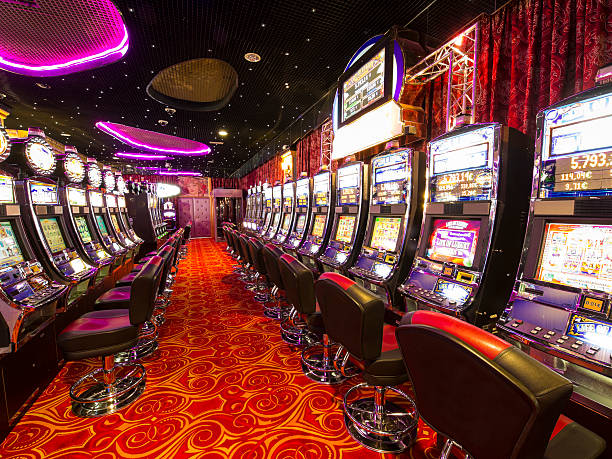
Today, the gambling industry stands as a multi-billion dollar enterprise, characterized by a diverse range of offerings from traditional casinos to online betting platforms. The juxtaposition of brick-and-mortar establishments and digital interfaces presents unique challenges and opportunities. While traditional casinos continue to thrive by enhancing the customer experience through entertainment and luxury, online platforms capitalize on accessibility and convenience.
The rise of esports and fantasy sports betting has further diversified the gambling landscape, attracting a younger audience eager to engage with their favorite games in new ways. Innovations like live betting, where wagers can be placed in real-time, create a dynamic experience that keeps players engaged. This adaptability to new trends reflects the industry’s commitment to evolving alongside technological advancements and consumer preferences.
In addition, the increasing focus on responsible gambling initiatives underscores a broader awareness of the potential risks associated with gambling. Operators are now implementing measures to promote responsible gaming, including self-exclusion programs and educational resources aimed at preventing gambling addiction. This dual approach of embracing innovation while fostering a safe environment indicates a mature and evolving industry that remains committed to its players.