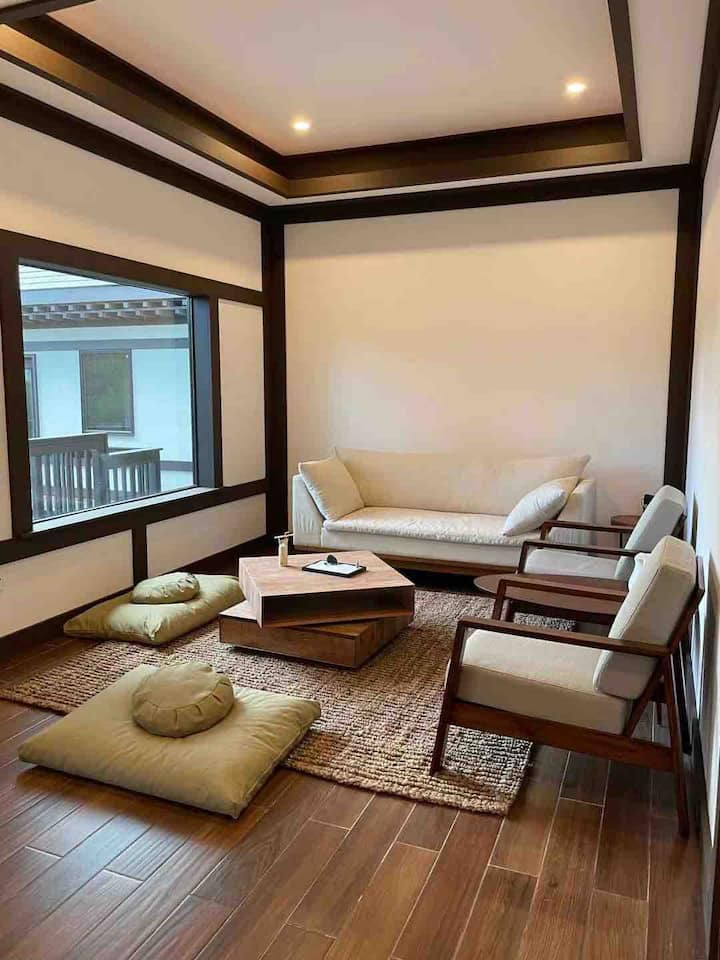
Creative_designs_for_living_spaces_with_pavilion88_offer_unique_style_and_inspir
- Creative designs for living spaces with pavilion88 offer unique style and inspiration
- Creating Atmosphere with Textured Decor
- The Importance of Natural Materials
- Color Palettes and their Psychological Impact
- Creating Harmonious Color Schemes
- The Role of Lighting in Interior Design
- Optimizing Natural and Artificial Light
- Integrating Art and Personal Touches
- Beyond Aesthetics: Designing for Functionality and Wellbeing
Creative designs for living spaces with pavilion88 offer unique style and inspiration
Contemporary living spaces are constantly evolving, with homeowners seeking innovative ways to enhance both the functionality and aesthetic appeal of their interiors and exteriors. The desire for unique, stylish, and inspiring designs is a driving force in the home decor market, pushing boundaries and sparking creativity. Many are turning to specialized sources for curated collections of furnishings and decorative items, looking for pieces that speak to their personal taste and elevate their living experience. pavilion88 offers a distinctive approach to this need, presenting a carefully selected range of items designed to transform houses into homes, emphasizing individuality and sophisticated style.
The key to a truly inviting and visually harmonious space lies in thoughtful curation. It's not simply about filling a room with furniture; it’s about weaving together textures, colors, and forms that create a cohesive and engaging atmosphere. This requires an eye for detail, a commitment to quality, and a deep understanding of current design trends. More than just a store, many discerning homeowners find that the right provider acts as a partner in the design process, offering inspiration and guidance to help them achieve their vision. The careful selection of materials and finishes, combined with a focus on both form and function, can result in living spaces that are as beautiful as they are practical.
Creating Atmosphere with Textured Decor
Textural elements are crucial in creating visually engaging and inviting interiors. They add depth, warmth, and a sense of tactile richness that flat surfaces simply cannot achieve. Integrating various textures – from the soft pile of a rug to the smooth coolness of stone – can dramatically elevate the ambiance of any room. This isn’t limited to large items; even small details like woven baskets, knitted throws, or intricately patterned cushions can contribute significantly to the overall effect. Thinking beyond the obvious and experimenting with unexpected combinations of textures is key to developing a unique and personalized style. The interplay of light and shadow on different surfaces further enhances the impact, creating a dynamic and ever-changing visual landscape within the space.
The Importance of Natural Materials
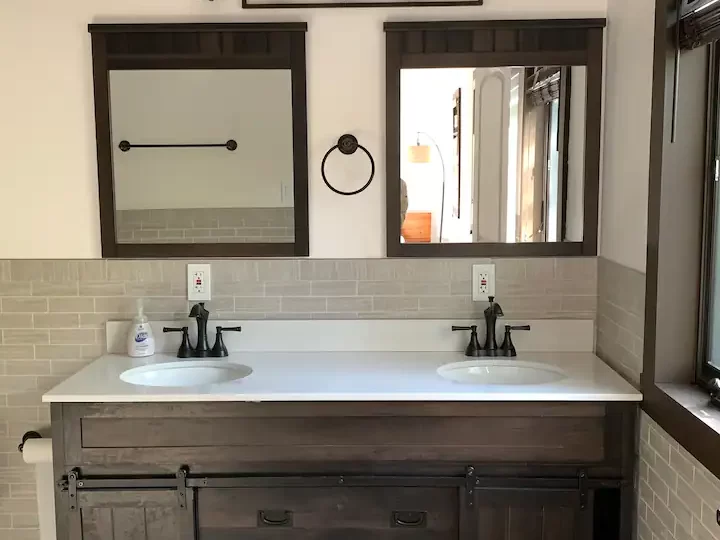
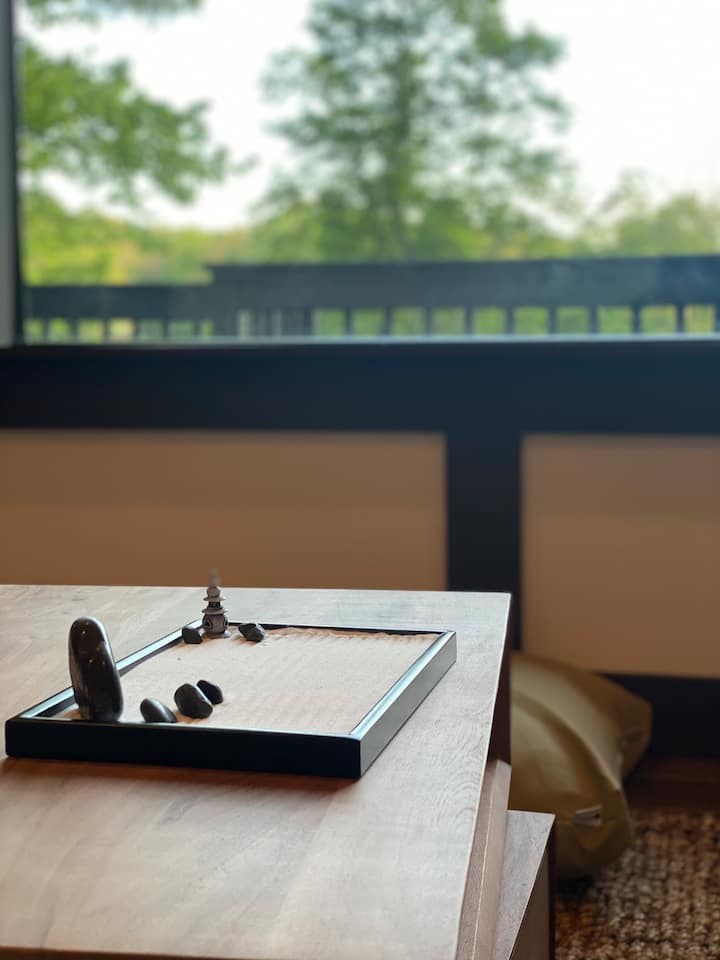
Incorporating natural materials like wood, stone, linen, and cotton brings an organic and grounding element to interior design. These materials not only offer a beautiful aesthetic but also contribute to a healthier indoor environment. Solid wood furniture exudes warmth and durability, while natural stone adds a touch of elegance and sophistication. Linen and cotton fabrics are breathable and comfortable, creating a relaxed and inviting atmosphere. Focusing on sustainable and ethically sourced materials is becoming increasingly important for conscious consumers seeking to minimize their environmental impact. The appeal of natural materials extends beyond aesthetics; they connect us to the natural world and evoke a sense of tranquility and well-being.
| Material | Texture | Application | Impact |
|---|---|---|---|
| Linen | Rough, breathable | Curtains, upholstery | Casual, airy feel |
| Wood (Oak) | Grainy, warm | Furniture, flooring | Adds warmth & durability |
| Stone (Marble) | Smooth, cool | Countertops, accents | Elegant, sophisticated |
| Cotton | Soft, delicate | Bedding, towels | Comfortable, inviting |
Selecting the appropriate textures and natural materials requires careful consideration of the overall design scheme and the intended mood of the space. Layering different textures and materials creates a sense of depth and visual interest, while a cohesive color palette ensures a harmonious and balanced look. The proper application of these elements can transform a mundane space into a welcoming and sophisticated haven.
Color Palettes and their Psychological Impact
The colors we surround ourselves with have a profound impact on our mood and emotions. Understanding the psychology of color is essential when creating interior spaces that promote well-being and enhance the desired atmosphere. Cool colors, such as blues and greens, are generally associated with tranquility and relaxation, making them ideal for bedrooms and bathrooms. Warm colors, like reds and oranges, evoke feelings of energy and enthusiasm, suitable for social spaces like living rooms and dining areas. Neutral colors, such as grays and whites, provide a calming backdrop that allows other elements to shine. However, it’s important to avoid relying solely on color theory; personal preferences and cultural associations also play a significant role in how we perceive color.
Creating Harmonious Color Schemes
Developing a harmonious color scheme involves selecting colors that complement each other and create a visually pleasing effect. Monochromatic schemes, using different shades and tints of a single color, offer a sense of sophistication and unity. Analogous schemes, combining colors that are adjacent to each other on the color wheel, create a harmonious and balanced look. Complementary schemes, using colors that are opposite each other on the color wheel, offer a bold and dynamic contrast. It’s crucial to consider the lighting conditions when selecting colors, as they can appear different under various light sources. Experimenting with different color combinations and swatches is essential to achieving the desired effect. The principle of the 60-30-10 rule – 60% dominant color, 30% secondary color, and 10% accent color – can provide a helpful framework for creating a balanced and visually appealing color scheme.
- Blue: Calming, peaceful, serene. Best for bedrooms and bathrooms.
- Green: Refreshing, natural, harmonious. Suitable for living rooms and kitchens.
- Yellow: Cheerful, optimistic, energetic. Good for kitchens and nurseries.
- Red: Passionate, stimulating, bold. Use sparingly as an accent color.
- Gray: Sophisticated, neutral, versatile. Works well as a backdrop for bolder colors.
Careful consideration of color palettes, coupled with an understanding of their psychological effects, can transform a space into a haven of tranquility, energy, or sophistication. It’s a powerful tool for enhancing mood, promoting well-being, and creating a truly personalized living environment.
The Role of Lighting in Interior Design
Lighting is often underestimated, yet it plays a pivotal role in shaping the ambiance and functionality of any interior space. It isn’t merely about illuminating a room; it's about creating mood, highlighting architectural features, and enhancing the overall aesthetic. Different types of lighting – ambient, task, and accent – all serve distinct purposes and should be strategically integrated to achieve optimal results. Ambient lighting provides overall illumination, task lighting focuses on specific areas for tasks like reading or cooking, and accent lighting draws attention to artwork or architectural details. The proper layering of these lighting types creates a dynamic and versatile lighting scheme.
Optimizing Natural and Artificial Light
Maximizing natural light is a crucial aspect of interior design, as it offers numerous benefits for both physical and mental well-being. Large windows, skylights, and light-colored walls can help to maximize the amount of natural light entering a space. However, it's also important to control natural light to prevent glare and overheating. Artificial lighting should be used to supplement natural light, especially during evenings and on cloudy days. The choice of light bulbs is also important, with LED bulbs offering energy efficiency and a wide range of color temperatures. Smart lighting systems allow for customizable lighting scenes, adapting to different activities and moods. Layering light sources, combining diffused and focused illumination, creates a warm and inviting atmosphere.
- Ambient Lighting: Provides overall illumination.
- Task Lighting: Focuses light on specific areas.
- Accent Lighting: Highlights features and adds drama.
- Natural Light: Utilize windows and skylights.
- LED Bulbs: Energy-efficient and versatile.
Effective lighting design considers the interplay of natural and artificial light, creating a balanced and functional environment that enhances both the aesthetic and practical aspects of the space. It's a subtle yet powerful element that can dramatically transform the overall atmosphere of a room.
Integrating Art and Personal Touches
A house becomes a home when it reflects the personality and interests of its inhabitants. Integrating art and personal touches is crucial for creating a space that feels authentic and inviting. Artwork, whether paintings, sculptures, or photographs, adds visual interest and sparks conversation. Personal collections, such as books, travel souvenirs, or family heirlooms, tell a story and create a sense of history and connection. Displaying these items thoughtfully and intentionally adds character and depth to the space. Creating a gallery wall with a curated collection of artwork is a great way to showcase personal style and create a focal point.
It’s essential to strike a balance between showcasing personal items and maintaining a sense of order and cohesiveness. Too many clutter can feel overwhelming, while too little personality can make a space feel sterile and impersonal. Curating a collection of cherished items and displaying them thoughtfully is key to creating a space that feels both inviting and reflective of individual tastes. The addition of plants brings life and freshness to any room, enhancing the overall sense of well-being.
Beyond Aesthetics: Designing for Functionality and Wellbeing
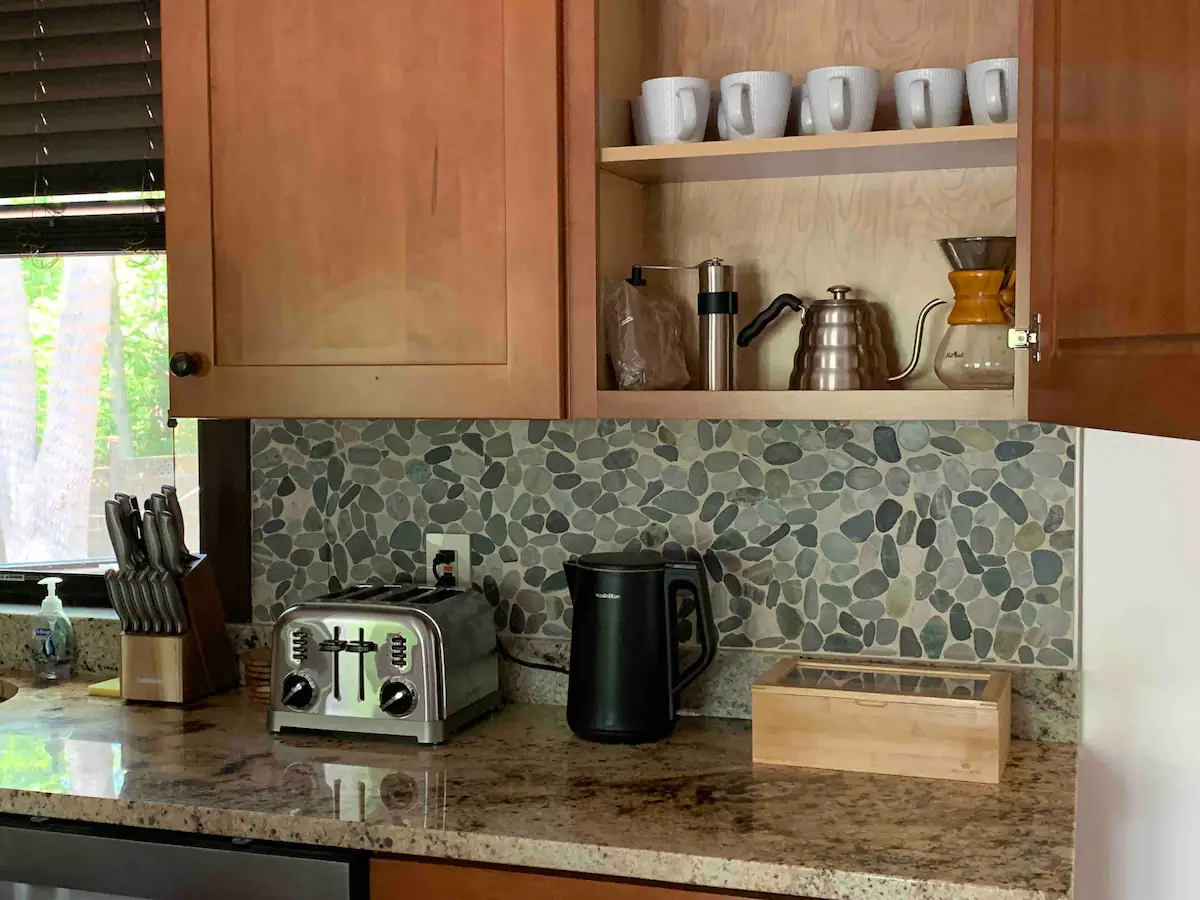
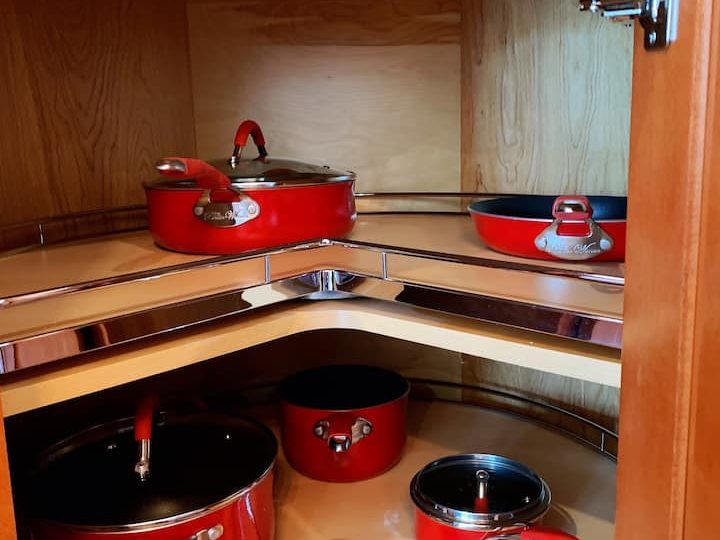
While aesthetics are important, a truly successful design prioritizes functionality and wellbeing. Considering how a space will be used is paramount. A well-designed kitchen, for example, should be both beautiful and efficient, with a logical layout and ample storage. A comfortable living room should be conducive to relaxation and social interaction, with seating arrangements that encourage conversation. Accessibility and inclusivity are also critical considerations, ensuring that the space is usable and enjoyable for people of all ages and abilities. Ergonomics play a vital role in creating comfortable and supportive workspaces. Furthermore, incorporating elements that promote wellbeing, such as natural light, fresh air, and indoor plants, can significantly enhance the quality of life within the space. A thoughtfully designed home supports not just a lifestyle, but also physical and mental vitality.
The integration of smart home technology offers exciting possibilities for enhancing both functionality and wellbeing. Automated lighting, temperature control, and security systems can provide convenience, energy efficiency, and peace of mind. However, it’s important to strike a balance between technology and simplicity, avoiding overly complex systems that can be cumbersome to use. The ultimate goal is to create a space that seamlessly integrates technology to enhance daily life without detracting from the overall sense of comfort and tranquility. Thoughtful planning, careful selection of materials, and a focus on both form and function are the cornerstones of a truly successful and well-designed living space – influenced by inspiration from sources like pavilion88.