
Cultural perspectives on gambling Exploring traditions and beliefs worldwide
Cultural perspectives on gambling Exploring traditions and beliefs worldwide
Historical roots of gambling
The origins of gambling can be traced back thousands of years, with evidence found in ancient civilizations like China, Egypt, and Rome. Each of these societies incorporated gambling into their cultural practices, often associating it with fortune, fate, and the divine. In many early cultures, games of chance were not merely entertainment; they played a significant role in social and religious rituals, reflecting a deep connection between luck and spirituality. In fact, many people today still enjoy gambling experiences that are reminiscent of those early practices, such as in non gamstop casinos, where the excitement of risk and reward can be felt.

In ancient China, for instance, the use of dice dates back to the Han Dynasty, and it was common for communities to engage in betting during festivals and celebrations. Similarly, in Rome, public games of chance were prevalent, often seen as a way to honor the gods and ensure prosperity. As gambling practices spread across different regions, they adapted to local customs, illustrating how intertwined this activity is with human history.
Gambling in modern cultures
Today, gambling has transformed into a multi-billion dollar industry, manifesting in various forms from casinos to online betting platforms. Different cultures approach gambling with unique perspectives, shaped by historical context, social norms, and legal frameworks. For instance, in the United States, gambling is often viewed as a form of entertainment, supported by a robust legal infrastructure that promotes various gaming options.
Conversely, in many Asian cultures, gambling is frequently linked to family and community gatherings, where it serves as a social bonding activity. Traditional games like Mahjong or Pai Gow are not only popular for gambling but also for fostering relationships. The cultural acceptance of gambling varies significantly, influenced by religious beliefs and societal values, which can either encourage or discourage such activities.
Spiritual and religious views on gambling
Many cultures have specific spiritual beliefs surrounding gambling, often interpreting it through the lens of fate and destiny. For example, in some Indigenous cultures, gambling is perceived as a way to connect with ancestral spirits, while others see it as a test of luck ordained by a higher power. These beliefs can lead to both positive and negative perceptions of gambling within these communities.
In contrast, some religious traditions explicitly prohibit gambling, viewing it as a vice that leads to greed and moral decay. In Islam, for instance, gambling is considered haram, or forbidden, leading to stringent regulations against such activities in many Muslim-majority countries. This divergence in religious perspectives on gambling highlights the complex interplay between faith and cultural practices.
Gambling traditions and rituals
Throughout the world, various cultures have developed unique rituals associated with gambling that reflect their values and social structures. In many cultures, rituals may include blessing the dice or cards, invoking luck before a game, or participating in communal betting events that strengthen social bonds. These practices serve not only to enhance the gambling experience but also to affirm cultural identity.
In some regions, specific games are reserved for religious or festive occasions, emphasizing their importance beyond mere entertainment. For example, during the Lunar New Year, gambling is a common practice in many East Asian countries, believed to bring good fortune for the year ahead. Such traditions underline the belief that gambling can be a conduit for communal well-being and prosperity.
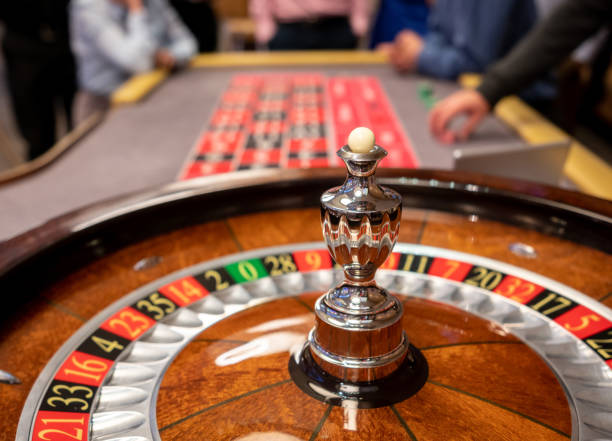
Exploring the global landscape of gambling
Understanding the myriad cultural perspectives on gambling reveals much about human nature and societal norms. Each tradition reflects a complex relationship with chance, luck, and fate, offering insights into how communities navigate risk and reward. The ongoing evolution of gambling practices worldwide indicates that they are not static but rather dynamic elements of cultural identity.
As societies become more interconnected through globalization, the exchange of ideas and practices surrounding gambling is likely to continue. Exploring these diverse cultural perspectives allows for a richer understanding of gambling as not only a form of entertainment but as a reflection of historical, social, and spiritual narratives that shape our world today.