Revitalising Heritage Venues: The Case of The Old Mill, Dearham
Across the United Kingdom, the preservation and adaptive reuse of historic buildings have become central to fostering community identity, promoting sustainable tourism, and supporting local economies. Among these, heritage mills stand out as quintessential symbols of industrial heritage, often embodying the cultural and architectural legacy of their regions. Restoring and repurposing these sites presents a unique blend of challenges and opportunities that require a nuanced understanding of conservation principles, economic viability, and community engagement.
Understanding the Heritage Mill: An Architectural and Cultural Overview
Heritage mills, particularly those like The Old Mill, Dearham, are treasures of engineering and craftsmanship from the Industrial Revolution era. These structures, often dating back to the 18th or 19th century, feature distinctive architectural elements such as robust stonework, large water wheels, or early mechanical equipment that exemplify the ingenuity of their time.
Preserving these buildings entails addressing issues like structural integrity, modern safety standards, and heritage authenticity. Acts of legislation—such as the UK’s Planning (Listed Buildings and Conservation Areas) Act 1990—dictate strict guidelines to protect such sites from inappropriate alterations while enabling them to adapt to contemporary uses.
The Economic and Community Impact of Heritage Mill Projects
Recent industry analyses demonstrate that heritage-led regeneration often yields substantial economic benefits. A report by Historic England reveals that heritage tourism contributes approximately £17.2 billion annually to the UK economy, supporting hundreds of thousands of jobs. Heritage mills, once restored, serve as focal points for local tourism, craft markets, and community activities.
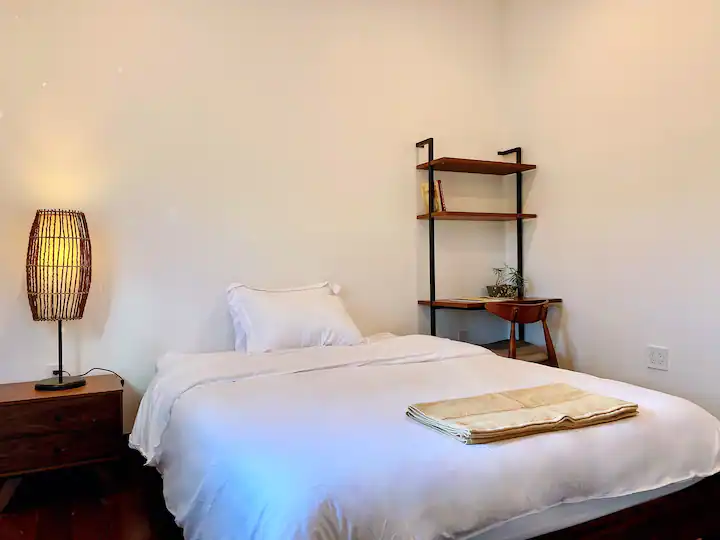
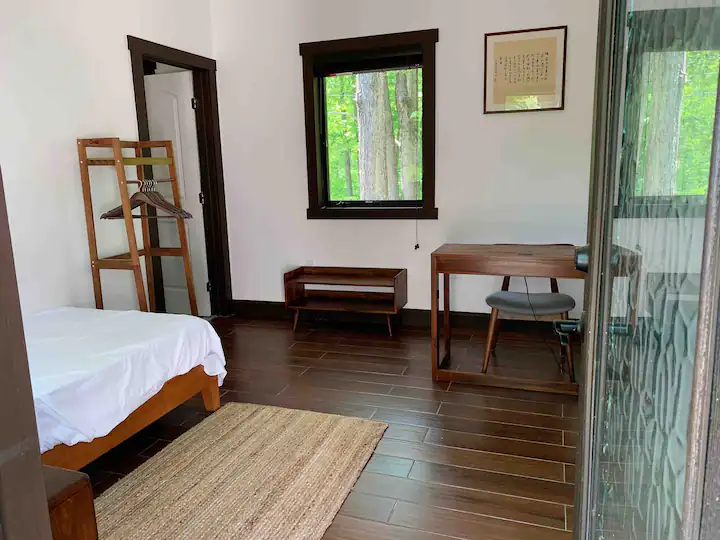
For example, the owners of The Old Mill in Dearham have successfully transformed the site into a multifaceted venue, hosting events, craft workshops, and accommodation services. These initiatives not only preserve the building’s integrity but also inject vitality into the local economy, promoting sustainable development and community resilience.
Strategic Approaches to Restoring Heritage Mills
| Step | Key Considerations | Industry Insights |
|---|---|---|
| Assessment & Planning | Thorough structural surveys, heritage assessments, stakeholder consultations | Collaborate with conservation specialists to ensure design aligns with heritage values |
| Design & Conservation | Adaptive reuse plans that respect original architecture while addressing modern needs | Case studies suggest a ‘gentle intervention’ approach balances authenticity and functionality |
| Funding & Partnerships | Securing grants, public funding, and private investment | Combining heritage grants with commercial ventures maximises financial sustainability |
| Implementation & Management | Skilled craftsmanship, ongoing maintenance, community engagement | Long-term management plans are essential for sustaining restoration efforts |
Case Studies: Success Stories in UK Heritage Mill Restoration
“Heritage mills, when thoughtfully restored, can become vibrant centres for community life, blending history with innovation.” – Prof. Annabel Smythe, Heritage Conservation Expert
One illustrative example is the transformation of The Old Mill, Dearham. This project exemplifies best practices—integrating sustainable technology, maintaining architectural authenticity, and fostering local enterprise. The mill now functions as a venue for events, local markets, and heritage education, demonstrating how historical structures can be reimagined for modern use.
The Future of Heritage Mills: Challenges and Opportunities
- Sustainable Funding: Balancing public grants, private investments, and commercial income streams.
- Community Engagement: Ensuring local participation to sustain interest and usage.
- Innovative Technologies: Leveraging green energy and digital tools for conservation and visitor engagement.
Ultimately, the successful preservation of heritage mills like The Old Mill in Dearham signifies more than mere conservation; it reflects a commitment to honouring our historical narratives while adapting to contemporary societal needs. As industry insights suggest, strategic planning, community partnership, and innovative conservation practices remain crucial to this ongoing journey.
To explore successful models of heritage restoration and learn more about engaging with such projects, visit the official site of The Old Mill, Dearham.